What Is Seasonal Affective Disorder?

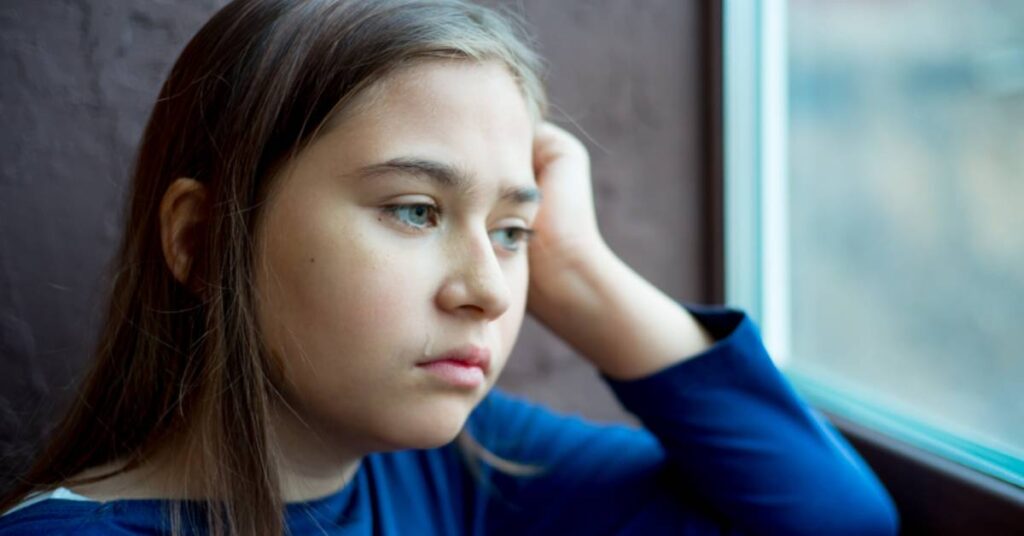
You or someone you may know may start to feel depressed, moody, or sad once the summer season turns to fall. You may attribute these feelings to the gloomy weather or the stress of the holidays, but more often than not, people who experience these feelings are dealing with a type of depression known as Seasonal Affective Disorder or SAD. In today’s post, we will discuss SAD and how you can recognize it in yourself and others.
With winter on the horizon, now is the time to start thinking about your mental health and how you plan to prepare for any depressed feelings you may experience this time of year. At Long Island Counseling, we offer couple’s and individual counseling options, and we will provide you with the support and tools you need to live a happier life. Explore our website to see what conditions we treat, and give us a call to schedule an appointment today!
What Is Seasonal Affective Disorder?
SAD is a type of major depressive disorder where the individual experiences depression around the same seasons each year. The most common form of SAD is where an individual starts feeling depressed around the end of fall or the beginning of winter, and experiences depression symptoms until the sunnier months of spring. However, it is possible for someone to experience SAD during the opposite seasons as well.
According to Psychology Today, Seasonal Affective Disorder is said to affect 10 million Americans, and it is four times more likely in women than it is in men. An additional 10 to 20% of Americans may have a more mild form of SAD.
What Causes SAD?
In most cases, researchers have found that individuals experience SAD due to a lack of sunlight. During the winter months, the days are shorter, and you may not experience as much sunlight as you do during the summer months, especially if you work all day inside. That being said, those who experience SAD during the summer can’t blame the lack of sunlight for their symptoms, leading researchers to believe that there isn’t one single factor that causes SAD.
Aside from sunlight, other factors that may lead to Seasonal Affective Disorder include:
- Traditions – The high energy of the holiday season coupled with the low energy of the new year can lead some people to feel depressed until the spring season begins.
- Grief or trauma from the past that has led to seasonal associations
- Health issues that are more problematic during certain parts of the year
- Lifestyle changes that cause you to be less active or involved during certain parts of the year

How to Treat SAD
There are a few different ways in which individuals can treat their Seasonal Affective Disorder. Many people have found that light therapy is extremely effective, which is when the individual uses a UV light for short periods of time throughout the day. This helps provide your body with the vitamin D that it might be lacking. Additionally, if you have access to daylight, you can try spending anywhere from 20 to 40 minutes outside receiving direct sunlight on a daily basis. If these two methods are proving ineffective, then you may consider psychotherapy or antidepressants.
Schedule an Appointment at Long Island Counseling
If you or someone you know has struggled with SAD in the past, then Long Island Counseling is here to help. We offer individual counseling, as well as couple’s counseling to provide you with the support you need this time of year. Explore our website to learn more, and give us a call today.
Long Island Counseling
Long Island Counseling
Lisa Lempel-Sander LPsyA
Licensed Psychoanalyst
221 Hollywood Ave
Douglaston NY 11363
Contact Us Today!
Couples & Marriage Counseling
Professional marriage counseling and couples therapy helps heal after an affair or infidelity, helps build trust and improve communication, helps resolve arguments about money or sex, and teaches you what each needs to promote intimacy and emotional connection. For all couples looking to strengthen their relationship.

Anxiety & Depression
Therapy provides support and direction in overcoming addiction and substance abuse, in resolving anxiety, depression and other emotional pain including lack of confidence and low self-esteem. Therapy helps with clarifying sexual orientation, gender-based identity questions, LGBT issues, gay and lesbian questions.

Relationship In Crisis
Discernment Counseling has one goal: to help you decide whether to stay in the relationship and try to work it out, or to leave. Discernment Counseling treats both partners even when there’s disagreement about the desired outcome. Discernment Counseling is a brief, highly-focused protocol with just one goal: helping you decide.