Phone Session: Does it Work?

These are confusing times. We’re working from home, separated from people we love and care about. We’re afraid of what we don’t know and don’t understand. We’re anxious for our own health and for the health of our communities, our families and our friends.
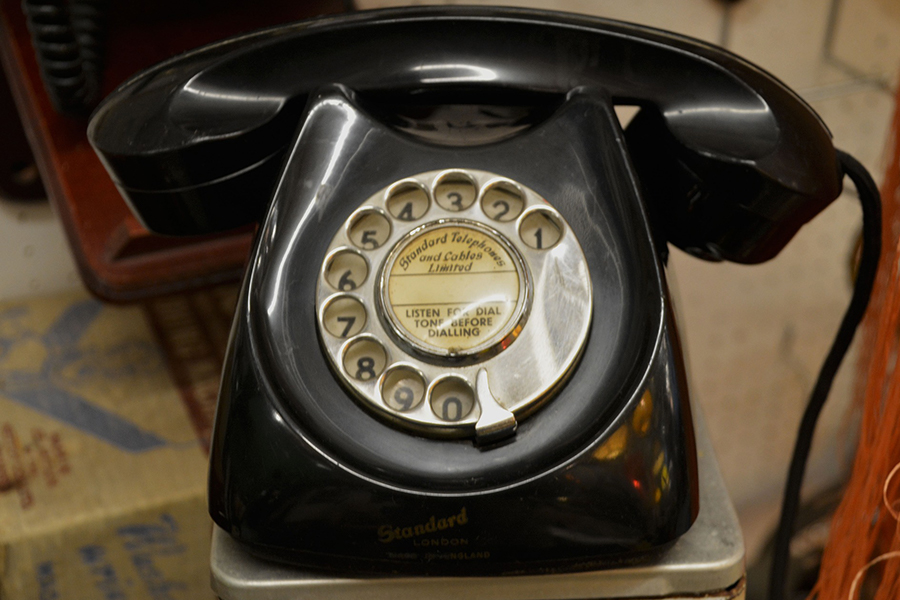
People are asking about phone sessions. They want to talk to a clinician because they’re anxious, but they’re worried the session won’t feel real or connected or authentic via phone or video.
However, that’s not necessarily true!
A phone session is clearly different from a face-to-face session. In a face-to-face session, especially in the beginning when you’re first getting to know your therapist, it’s often a little strange and even uncomfortable to be looked at so intently! When you’re trying to gather your thoughts and to get in touch with your feelings, it can be distracting to have the therapist looking at you, even if it’s with compassion and kindness.
When therapy takes place via the phone, this part of the process is eliminated. No worrying about taking a minute to collect your thoughts. No questioning—should I make eye contact? These are issues that arise in face-to-face meetings but are not present when you’re working via phone.
Working via phone also has the advantage of facilitating a deep look into the area of distress. The irony is that this is often achieved more quickly over the phone than it is in person! That’s because when the clinician is removed from view, the patient can have an easier time accessing his or her feelings. He or she also has an easier time speaking freely about things that might feel uncomfortable in person.
We can all imagine how true this is. If you are struggling with an issue that feels shameful or embarrassing, it’s far easier to discuss it with your therapist if you’re not face-to-face.
Video sessions do not necessarily offer the same direct route to the area of pain or distress. Nor do they offer the comfort of talking without being face-to-face. Some of the biggest problems with video are the small distortions present in the exchange. The slight sound delays, the inconsistent visual accuracy, the loss of focus or clarity, the frequent disconnection or freezing that occurs when platforms are overwhelmed. Perhaps most distracting is the small picture of yourself live, staring back at you while you’re connected. Video sessions are an entirely different experience than phone sessions, with the net effect being a reduction in intimacy and sense of real connection.
If you’re feeling anxious or in need of contact with a professional clinician, consider arranging a phone session. You may be surprised at how satisfying it is.
Long Island Counseling
Long Island Counseling
Lisa Lempel-Sander LPsyA
Licensed Psychoanalyst
221 Hollywood Ave
Douglaston NY 11363
Contact Us Today!

Couples & Marriage Counseling
Professional marriage counseling and couples therapy helps heal after an affair or infidelity, helps build trust and improve communication, helps resolve arguments about money or sex, and teaches you what each needs to promote intimacy and emotional connection. For all couples looking to strengthen their relationship.

Anxiety & Depression
Therapy provides support and direction in overcoming addiction and substance abuse, in resolving anxiety, depression and other emotional pain including lack of confidence and low self-esteem. Therapy helps with clarifying sexual orientation, gender-based identity questions, LGBT issues, gay and lesbian questions.

Relationship In Crisis
Discernment Counseling has one goal: to help you decide whether to stay in the relationship and try to work it out, or to leave. Discernment Counseling treats both partners even when there’s disagreement about the desired outcome. Discernment Counseling is a brief, highly-focused protocol with just one goal: helping you decide.